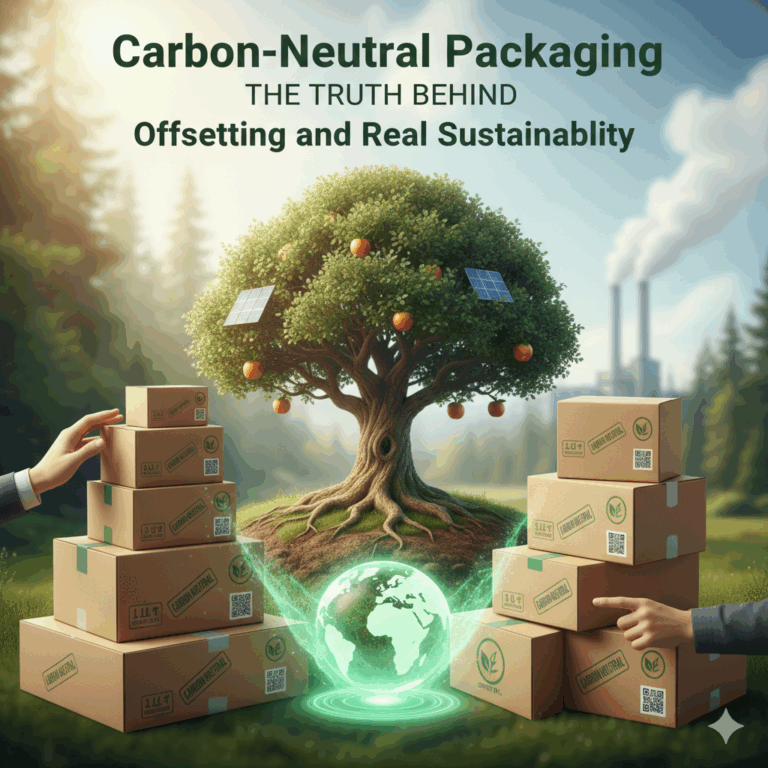

In the bustling world of eCommerce, packaging plays a crucial role. It’s the first physical touchpoint a consumer has with an online purchase, yet, traditional packaging wreaks havoc on our environment. Each year, tons of cardboard, plastic, and other materials end up in landfills, contributing to our growing environmental crisis. As awareness spreads, consumers are demanding eco-friendly packaging options that align with their values. But why does sustainable eCommerce packaging matter? Simply put, it reduces the carbon footprint, minimizes waste, and fosters a circle of responsibility between businesses, consumers, and the planet.
Key Principles of Sustainable Packaging
Sustainable packaging isn’t just about swapping plastic for paper. It’s a comprehensive approach that balances environmental concerns with practicality. First, consider the use of renewable materials—like bamboo or recycled cardboard—that can lessen our reliance on finite resources. Then, think about minimizing environmental impact throughout the lifecycle of a package. This involves everything from choosing materials responsibly to optimizing packaging designs for shipping efficiency. Design for reusability and recyclability is also paramount, ensuring that once a package is done with its primary job, it doesn’t immediately become waste. At the core of these efforts is the life cycle assessment, a tool that guides businesses toward sustainable choices by evaluating a product’s environmental impact from start to finish.
Types of Sustainable Packaging Materials
The options for sustainable packaging materials are ever-expanding. On one end, we have biodegradable and compostable options, like cornstarch-based plastics that decompose without leaving harmful residues. On the other, recycled and reusable materials are making waves. Think of packaging that can serve a second life—such as a box that converts into a children’s toy. Innovations in plant-based materials are also exciting, offering alternatives that mimic plastic’s properties but break down much more easily. Then there’s the benefit of lightweight packaging, which reduces shipping costs and cuts down on carbon emissions by requiring less fuel during transit.

Challenges in Implementing Sustainable Packaging
Switching to sustainable packaging isn’t without its hurdles. Costs can be a significant factor for businesses, especially smaller brands that compete on thin margins. Balancing sustainability with product protection is another challenge, as eco-friendly materials must still safeguard the product during transit. The supply chain also comes with hurdles, from sourcing sustainable raw materials to the logistics of integrating new processes. Regulatory requirements and standards compliance add another layer of complexity, but they are crucial for ensuring that the environmental claims of businesses are credible and standardized.
Life Cycle Assessment (LCA): Measuring True Sustainability
To truly understand the impact of any sustainable packaging solution, businesses need to look beyond surface appearances. That’s where the Life Cycle Assessment (LCA) comes in—a process that evaluates how raw materials are sourced, how much waste is created, and how much energy is consumed from production to disposal. For example, a paper mailer might seem more eco-friendly than plastic, but if it requires more resources like water and fuel during manufacturing and shipping, the environmental benefits may be reduced. LCAs give companies a reliable guide for making data-driven decisions about sustainable materials and sustainable alternatives. By measuring true sustainability, businesses can choose the right packaging option for their products while reducing waste and minimizing their carbon footprint over time.
Digital Tools and Certifications for Sustainable Packaging
Digital verification and certification systems are becoming essential for companies committed to sustainable eCommerce packaging. Trusted labels like FSC (Forest Stewardship Council) ensure paper and cardboard are sourced responsibly, while Cradle to Cradle certification validates sustainable materials designed for a circular economy. These systems help businesses prove that their packaging meets recognized environmental standards. Today, technologies such as blockchain and Digital Product Passports (DPPs) allow every package to be tracked across the supply chain—from raw materials to shipping and reuse. Sharing this data on social media or company websites boosts credibility and helps customers make informed choices. These transparent practices reinforce trust, reduce waste, and demonstrate a measurable commitment to sustainability.

Benefits of Sustainable Packaging in eCommerce
Despite the challenges, the benefits of sustainable packaging are hard to ignore. For brands, adopting eco-friendly packaging can significantly boost reputation and build consumer trust, as customers increasingly choose brands that align with their values. Environmentally, it aids in conservation efforts by reducing waste and carbon emissions. Economically, while the upfront costs may be higher, sustainable packaging often results in long-term savings by decreasing waste management expenses and improving efficiency. Plus, it enhances brand loyalty and customer satisfaction, with nearly three-quarters of consumers willing to pay more for sustainable products.
Case Studies: Brands Leading in Sustainable Packaging
Some brands have taken the leap and emerged as pioneers in sustainable packaging. For instance, outdoor apparel company Patagonia utilizes recycled materials for 99% of its product packaging. Their strategies focus on reducing resource use, minimizing packaging, and innovating recyclable solutions. Another notable example is Lush, a cosmetics brand that has significantly reduced its packaging waste by adopting ‘naked’ products or products without packaging. These trailblazers show that commitment to sustainable packaging can resonate with consumers and result in tangible business benefits, including increased sales and positive consumer perception.

Strategies for eCommerce Businesses to Transition to Sustainable Packaging
For eCommerce businesses looking to green their packaging, beginning with an initial assessment is a critical step. Setting clear sustainability goals gives a roadmap to follow. Partnering with suppliers who prioritize eco-friendly materials ensures a reliable source of sustainable options. Educating consumers on the benefits and functionality of sustainable packaging solutions can also drive engagement and sales. Finally, investing in research and development can lead to innovative packaging designs that balance sustainability with functionality.
The Future of Sustainable eCommerce Packaging
The future looks promising as emerging trends and technologies continue to transform sustainable packaging. Innovations like smart packaging that extends product shelf life or biodegradable alternatives that perform like traditional materials are on the horizon. Consumer preferences are steadily shifting toward eco-friendly choices, and regulatory changes are urging businesses to adapt. Continuous innovation and collaboration within the industry will be essential for future success. Ultimately, businesses play a pivotal role in advancing sustainable practices, fostering a more circular economy that benefits everyone.